
Green Bay Obituary Records
Green Bay obituary records often begin with a newspaper notice and then lead to a death certificate, cemetery note, or local history reference. In Green Bay, the city clerk handles elections, licenses, and city records, but not vital records. For certified death copies, Brown County and the Wisconsin Vital Records Office are the correct routes. Local papers, the Brown County Library, and the Wisconsin Historical Society can help you match a name, date, and family line. If you are starting with little more than a surname, use the city, county, and year together to tighten the search.
Green Bay Obituary Records
The first step in a Green Bay obituary search is knowing which office holds which kind of record. The Green Bay City Clerk administers elections, licenses, and records of the city, but the office does not issue vital records. That matters because an obituary can point you to a death date, while a certified death certificate comes from Brown County or the state. When a family story is fuzzy, start with the obituary, then use the county record to confirm the exact name, place, and filing window.
Brown County Register of Deeds issues certified copies of birth, death, and marriage certificates. The county also follows statewide issuance rules within the statutory timeframes, so some records can be handled at more than one Wisconsin office. For Green Bay residents, that creates a practical split: city records for city business, county and state offices for vital records, and newspapers for obituary text.
That split saves time. It also cuts down on dead ends. If you search an obituary first, you can often collect the last known address, spouse, or child name before you order a certified death record or ask the library for a paper clipping.
Note: The city clerk can point you to city records, but death certificates come from Brown County or the Wisconsin Vital Records Office.
Brown County Obituary Sources
The strongest local obituary research for Green Bay usually starts with the Brown County Library. Its Local History and Genealogy resources include newspapers, city directories, and obituary indexes. Those tools are useful because they let you move from a name to a street, then from a street to a family group. That can be the key when two people share the same name or when a death notice is short and leaves out the middle name.
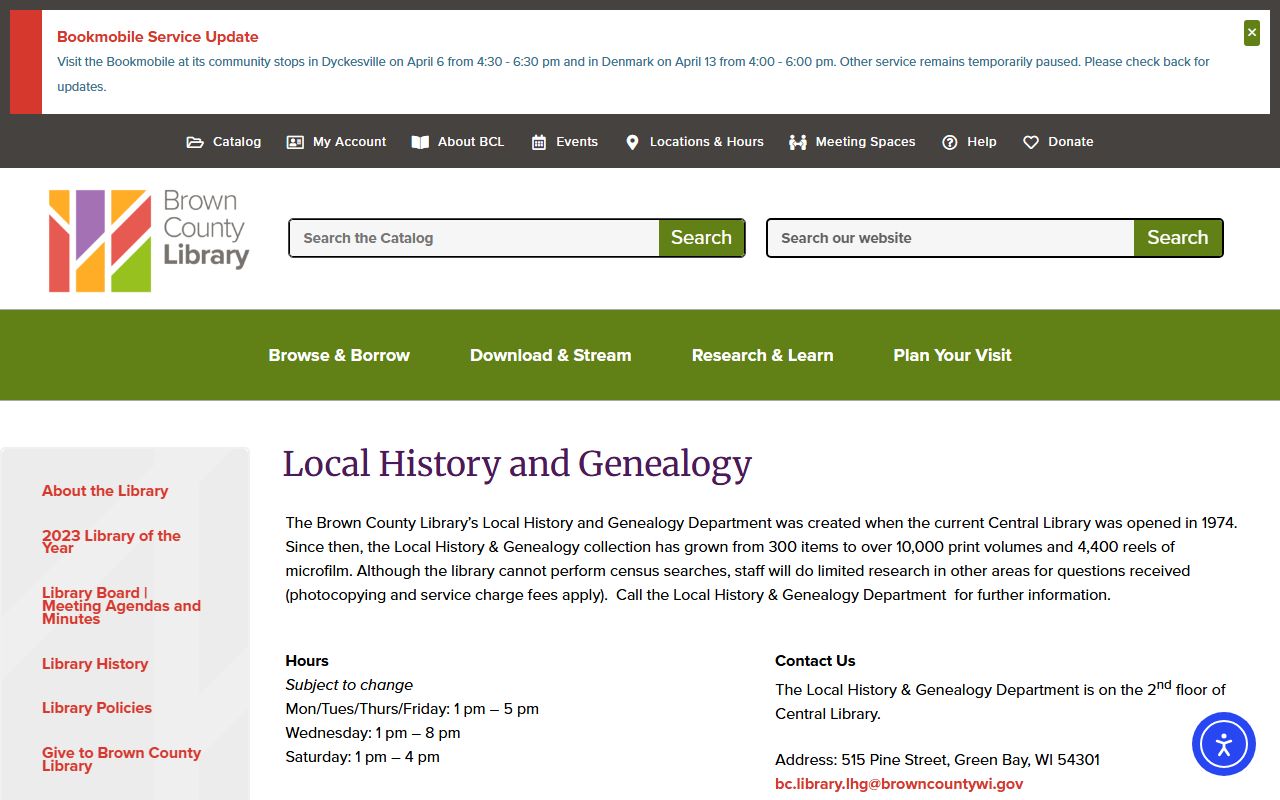
City directories can show where a person lived just before death. Newspaper runs can show the notice itself. An obituary index can point to the exact issue or clipping. If the family used one nickname in print and another on the certificate, the library material may be the bridge that makes the search work.
A useful Brown County obituary search usually checks:
- Brown County Library obituary indexes and newspaper holdings
- City directories for the last known address
- Family names in adjacent notices and death notices
- The Brown County Register of Deeds death certificate after the paper trail
Those four steps are simple, but they are often enough. The point is not to search every source at once. It is to let each source sharpen the next one.
Green Bay Obituary Search Tips
For older names, the Wisconsin Historical Society Pre-1907 Vital Records Index is one of the best starting points. The index covers Brown County and can help you identify a death record before the modern county and state systems took over. When a name has several spellings, the index and the newspaper search both work better if you test a few variants instead of stopping at the first miss. A short surname, a nickname, or a hyphenated form can all matter.
If the obituary never shows up in the Brown County collection, broaden the search to historic Wisconsin newspapers in Chronicling America. That site gives you digitized page images and full-text search for many historical papers. It is especially useful when you know the approximate death date and want to scan surrounding days for a notice, a funeral report, or a brief family item that never made it into a county index.
Exact years help. So do relationships. If you know the spouse, child, or burial place, keep those details in the search notes. They often save more time than a long string of guesses.
Note: Use the exact year when you can, because it tightens both the Wisconsin Historical Society index and any newspaper search.
Brown County Obituary Copies
When you need a certified death record, Brown County is the local office to contact. The county charges $20 for the first copy and $3 for each additional copy ordered at the same time. In person, requests are processed while you wait during normal hours: 7:30 a.m. to 4:30 p.m. Monday through Thursday, and 7:30 a.m. to 11:00 a.m. Friday. Those hours matter if you need a record quickly and can visit the office instead of waiting for mail.
The Wisconsin Department of Health Services explains the broader state routing. Its Vital Records Office handles birth, death, and marriage certificates for events in Wisconsin, and requests can be made by mail, online through VitalChek, or by phone at 877-885-2981. If you choose mail, the state says to expect about 10 business days plus mail time. Online orders through VitalChek are usually completed in about five business days, with an extra fee for that service.
That is useful for Green Bay researchers who do not live nearby. It also helps when the county office is closed or when you need one more certified copy after the obituary search is already done.
Green Bay Obituary History
Green Bay obituary work is rarely about one document. It is about a chain of records that tells the same story in different ways. The city clerk can confirm city record boundaries. The county register of deeds can confirm the death record. The library can supply newspaper context. The Historical Society can carry you back into the pre-1907 era. Used together, those sources make a cleaner and more reliable picture than any one search result on its own.
The best Green Bay searches stay local first, then widen out. Start with Brown County names, streets, and dates. Move to the obituary index or newspaper notice. Then check the certified record if the family needs proof for probate, insurance, or family files. If the first pass comes up short, do not assume the person is missing. Obituaries can be brief, delayed, or filed under a nickname, and the older the record, the more likely a second source will be needed.
When you need one last pass, compare the death date in the obituary, the county record, and the paper issue date. That quick check often exposes a typo or a gap in the family story.