
Search Wisconsin Obituary Records
Wisconsin Obituary research works best when the search follows the way Wisconsin records are actually kept. An obituary may start the search, but the next step is often a county Register of Deeds office, the Wisconsin Department of Health Services, or the Wisconsin Historical Society depending on the age of the death and the detail in the notice. This Wisconsin guide brings those paths together so a Wisconsin Obituary search can stay local when possible, widen to state help when needed, and use historical tools for older Wisconsin names.
Wisconsin Obituary Overview
Wisconsin Obituary Records
A Wisconsin Obituary is often the first solid clue after a death, but it is not the only record that matters. In Wisconsin, a family may begin with an obituary notice from a local paper, a memorial page, or a clipping kept at home. That Wisconsin Obituary may name the city, church, funeral home, spouse, parents, cemetery, or burial date. Those details are useful because they help place the person in the right county before a formal request is made. A Wisconsin search works better when the obituary is treated as the lead record and not the final record.
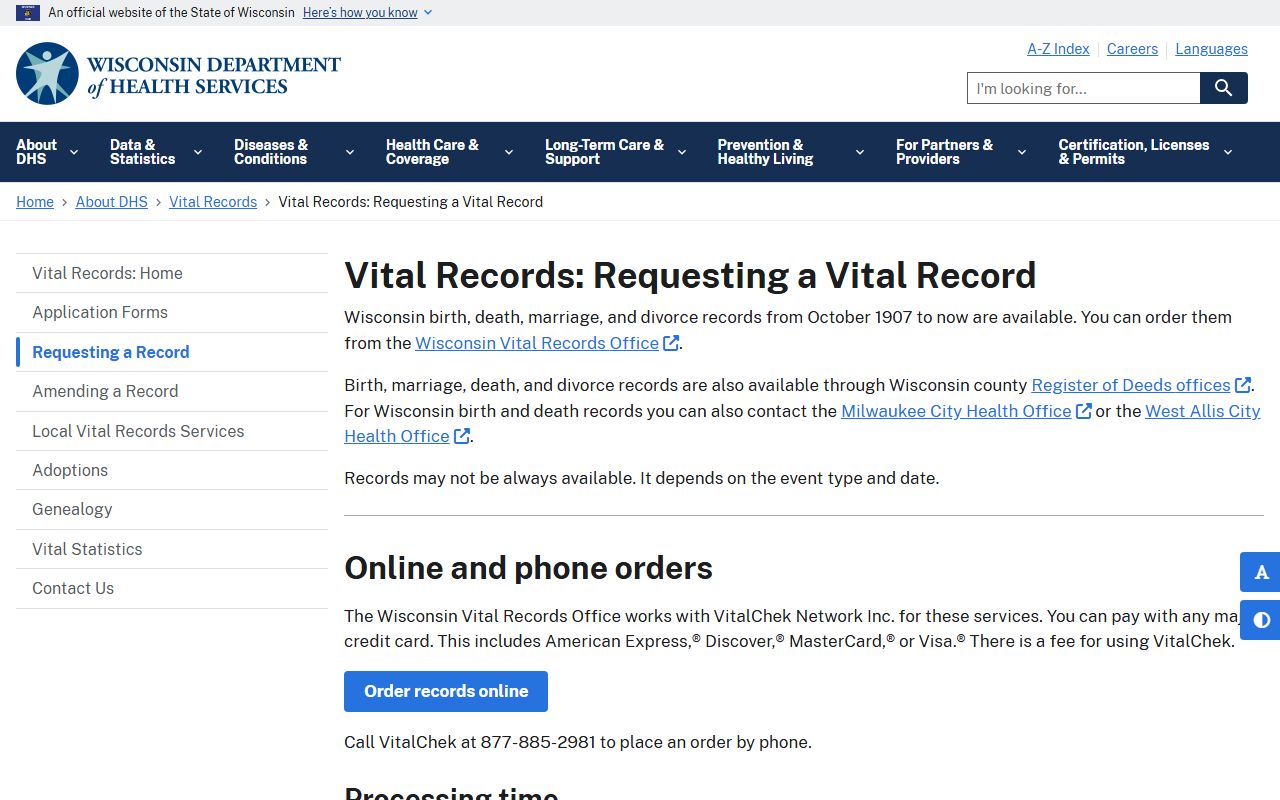
The formal record path in Wisconsin usually moves from the obituary to a county Register of Deeds office or to the state office. The Wisconsin DHS record guide explains that Wisconsin vital records can be obtained through the state and through local offices. That matters because a Wisconsin Obituary search often starts with one place name and ends with a county office in another part of the state. The Wisconsin record system is local in practice, but it is supported by state rules and statewide guidance.
The CDC Wisconsin vital records guide also confirms that Wisconsin has a state-level vital records structure and that statewide registration did not fully begin until October 1907. For Wisconsin Obituary work, that is a key line. Modern Wisconsin deaths usually move through county and state vital record channels, while older Wisconsin deaths often need the historical route first. This page keeps those two Wisconsin paths separate so the Obituary search stays efficient.
That distinction matters across the whole state. A Wisconsin Obituary from Milwaukee does not behave exactly like a Wisconsin Obituary from Bayfield, Beloit, or Stevens Point. The county office changes. The city context changes. The supporting library or historical clue changes. The underlying Wisconsin record system stays the same, but the local route still matters. That is why this site breaks Wisconsin research into county and city guides instead of treating every obituary search as one statewide name swap.
How to Search a Wisconsin Obituary
The best Wisconsin Obituary search starts with the exact words in the notice. Read the obituary carefully and pull out the county clue, the city clue, the funeral location, the cemetery, the spouse name, and the approximate year. In Wisconsin, that small set of details is often enough to point the search toward the correct county Register of Deeds office. When the obituary names a place but not the office, the county guide on this site helps connect the Wisconsin place name to the right record holder.
State help becomes important when the Wisconsin Obituary is broad or uncertain. The Wisconsin DHS vital records page explains how Wisconsin death certificates may be requested through the state office and local offices. That gives Wisconsin families a backup path when they are outside the county, when the event year is uncertain, or when a Wisconsin Obituary suggests a death in the state but the exact county is still unclear.
For older Wisconsin Obituary work, the historical route should come earlier. The Wisconsin Historical Society pre-1907 vital records index is the core search tool for Wisconsin deaths before statewide registration. If a Wisconsin Obituary points to a death before 1907, the historical index often gives the first real match. That keeps the Wisconsin search tied to official historical tools instead of weak third-party databases.
The Wisconsin Historical Society obituary collections guide adds another Wisconsin path for obituary research because it explains the society's obituary files, necrology material, and indexes built from newspapers and county histories. A Wisconsin Obituary search is much stronger when the obituary itself, the county office, and the Wisconsin historical collection are used in the right order.
Wisconsin County And State Record Path
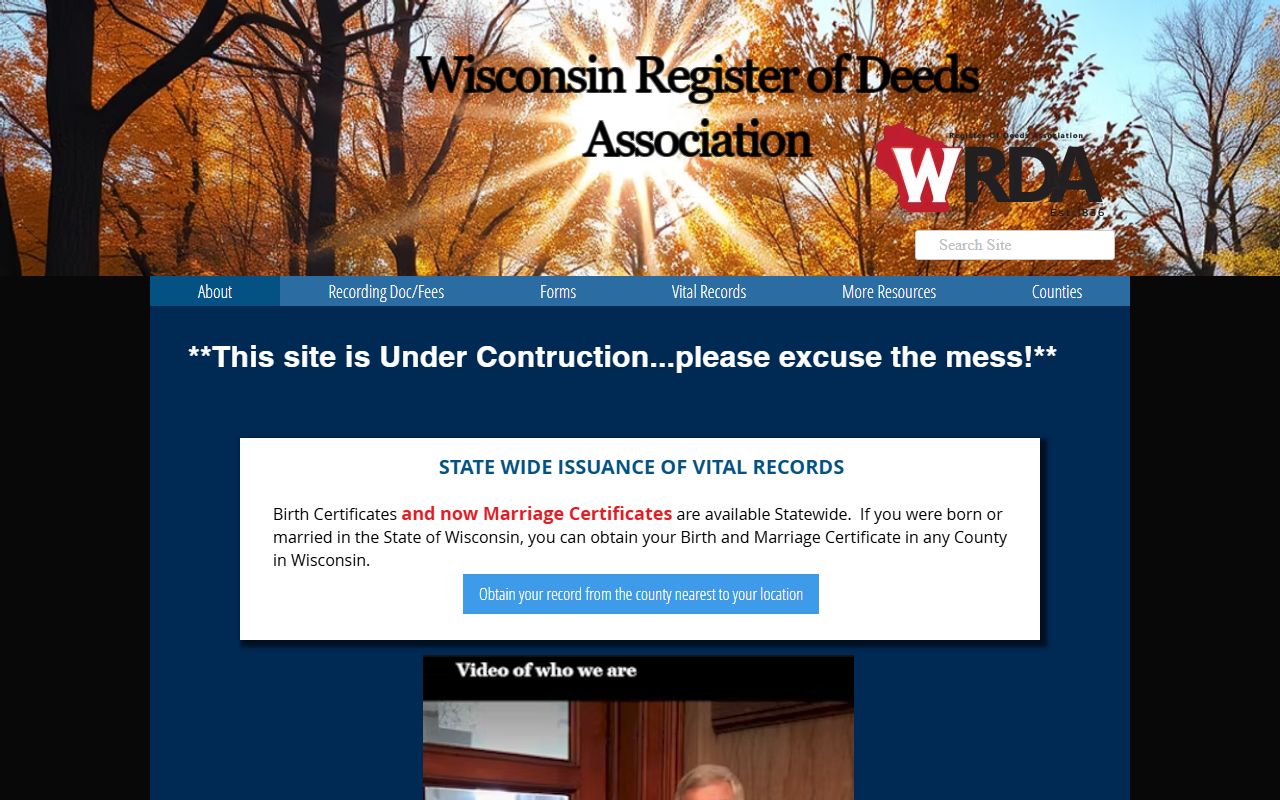
Wisconsin keeps death record access at both the local and state levels. That is why a Wisconsin Obituary search usually needs two kinds of sources. The county Register of Deeds office is the local record path. The state office is the statewide backup. The Wisconsin Register of Deeds Association reflects that county-based system, and the Wisconsin DHS pages explain how the broader Wisconsin process works. Together they form the main administrative route behind a Wisconsin Obituary search.
The legal side matters too. Under Wis. Stat. 69.18, Wisconsin death records are filed within the state's vital records system. Under Wis. Stat. 69.21, copies of Wisconsin vital records may be issued under the rules set by the statute. Under Wis. Stat. 69.22, fees are set for those Wisconsin records. A Wisconsin Obituary may be easy to read and share, yet the certified Wisconsin record that supports it still follows the state record structure.
That county-and-state split is why this site is built around county pages and city pages. A Wisconsin Obituary may name Madison, Kenosha, or La Crosse, but the record request still depends on the county office that issues the certificate. In some places, such as Milwaukee and West Allis, there are city-level health office details that change the route. In most other Wisconsin cities, the county register of deeds remains the core office after the obituary is found.
The most reliable Wisconsin method is simple. Start local. Confirm the city and county from the obituary. Move to the local county guide. Use state help if the Wisconsin trail is uncertain. Use historical tools if the Wisconsin death is older. That keeps the search focused and prevents the Wisconsin Obituary path from becoming a broad statewide guess too early.
Historical Wisconsin Obituary Search
Older Wisconsin Obituary work needs a different mindset from modern Wisconsin record searches. Before October 1907, statewide registration was not fully required, so an older Wisconsin obituary may lead first to a historical index, a local history collection, or a newspaper file rather than to a modern county issue page. That is why the Wisconsin Historical Society is so important for this project. It gives Wisconsin researchers a real public path into older deaths without forcing them into low-value commercial sites.
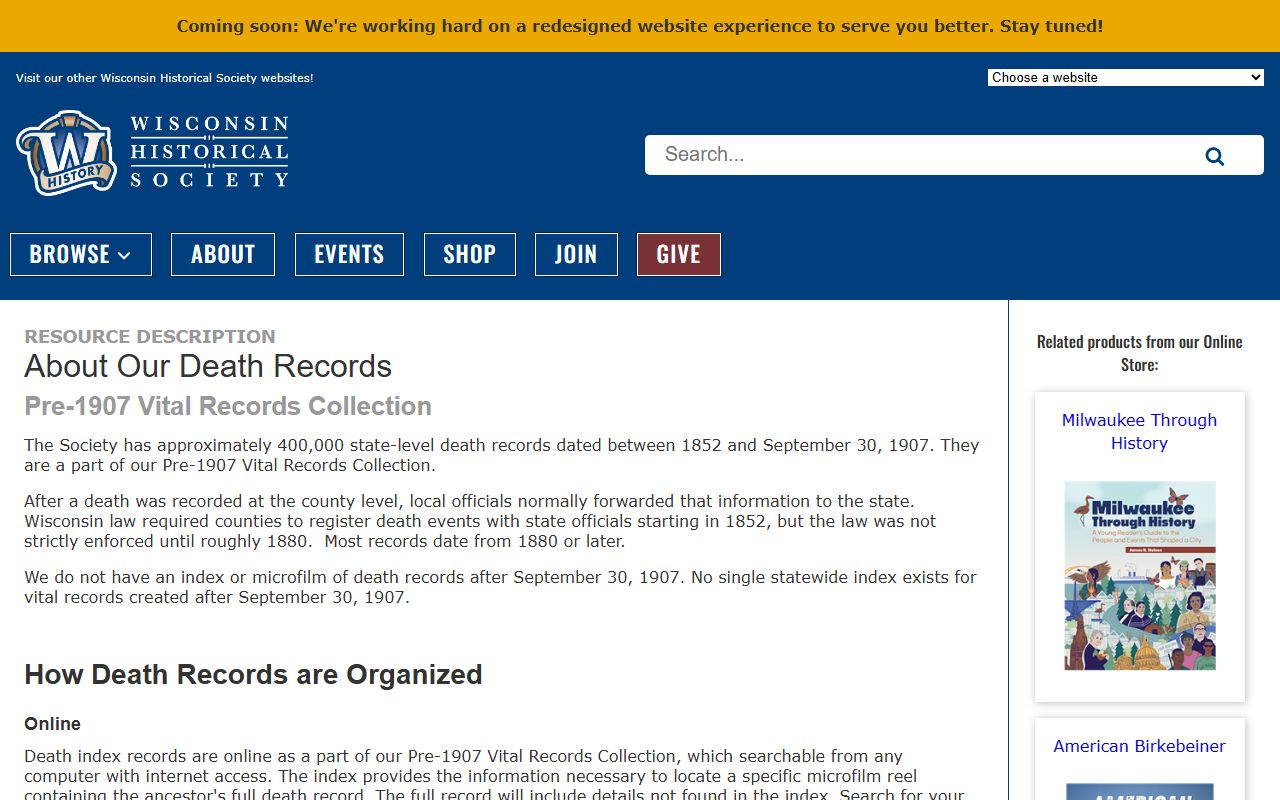
The Wisconsin Historical Society guide to pre-1907 death record research is useful because it explains how to work from limited clues. That fits obituary research well. A Wisconsin Obituary may give a nickname, a married surname, a church, or a burial place. Those details may seem small, but in historical Wisconsin work they can be enough to confirm the right person in the index. The obituary and the historical index are strongest when they are read together.
The Wisconsin Historical Society pre-1907 state-level death records guide adds another official Wisconsin layer. It helps researchers understand what kinds of older Wisconsin death materials exist and how those records relate to county-level searches. That matters because a Wisconsin Obituary for an older death may be accurate in broad terms but still need a second source before a researcher can feel certain about the match.
Newspapers also remain valuable in Wisconsin obituary work. Chronicling America can support a Wisconsin Obituary search when a local paper clipping is incomplete or when the family knows the date range but not the paper title. It is not a substitute for Wisconsin official record sources, but it is a useful Wisconsin support layer for notice-based research.
Wisconsin Obituary Help
This site is built to help a Wisconsin Obituary search stay specific. Each county page keeps the county office, county process, and county-level research details in view. Each city page keeps the city context clear and then points the search to the office that actually keeps the record. That matters because a Wisconsin Obituary search is rarely just about one name. It is about using the right Wisconsin place, the right county office, and the right historical source in the right order.
The strongest Wisconsin Obituary search is not the fastest one. It is the one that reads the notice closely, uses the city and county clues well, and brings in the state and historical sources only when needed. A Wisconsin family looking for one death record, one obituary clipping, or one older historical match will get better results by following that layered method than by jumping straight into a statewide blind search.
That is also why the county and city pages on this Wisconsin site vary by location instead of repeating one generic script. A Wisconsin Obituary for Manitowoc needs a different county path than a Wisconsin Obituary for Beloit. A Wisconsin Obituary in Milwaukee can involve city health records in a way that a Wisconsin Obituary in Fitchburg does not. The statewide structure is shared, but the local record path still changes across Wisconsin.
If you already know the county, start with the county section below. If you know only the city from the obituary, start with the city section. If the Wisconsin Obituary is older than 1907, plan to use the Wisconsin Historical Society path early. That is the most practical way to move through Wisconsin obituary research on this site.
Browse Wisconsin Obituary Records by County
Use the county pages when the obituary already points to a Wisconsin county or when you need the office that keeps the local death record path. These county guides cover the Wisconsin counties included in this project and keep the county record trail, state support, and historical research notes separate.
Browse Wisconsin Obituary Records by City
Use the city pages when the obituary names a Wisconsin city first and you need help turning that city clue into the right county or state record path.