
Oshkosh Obituary Search
An Oshkosh Obituary search works best when you separate the city contact from the vital record office. The City Clerk at 215 Church Avenue, phone 920-236-5011, is the local city records point and a useful first stop for public records context. For certified death records and other vital records, the county office matters more. In Oshkosh, that means the Winnebago County Register of Deeds at 112 Otter Avenue, Room 108, phone 920-232-3390. If you keep that city and county split clear, it becomes much easier to move from a newspaper clue to the record that confirms the person, the date, and the place, with library and historical sources added only after the local office path is clear.
Oshkosh Obituary Records
The City of Oshkosh City Clerk is the right city page to start with when you need local records context. The office maintains city official records, helps with public records questions, certifies official documents, and sits at 215 Church Avenue. It is not the office that issues death certificates, but it does give you the city anchor that makes an Oshkosh Obituary search feel grounded. If you are trying to match a name to an address, a ward, or a city event, the clerk's office can help you keep the search tied to Oshkosh instead of drifting into a broader Wisconsin search too soon.
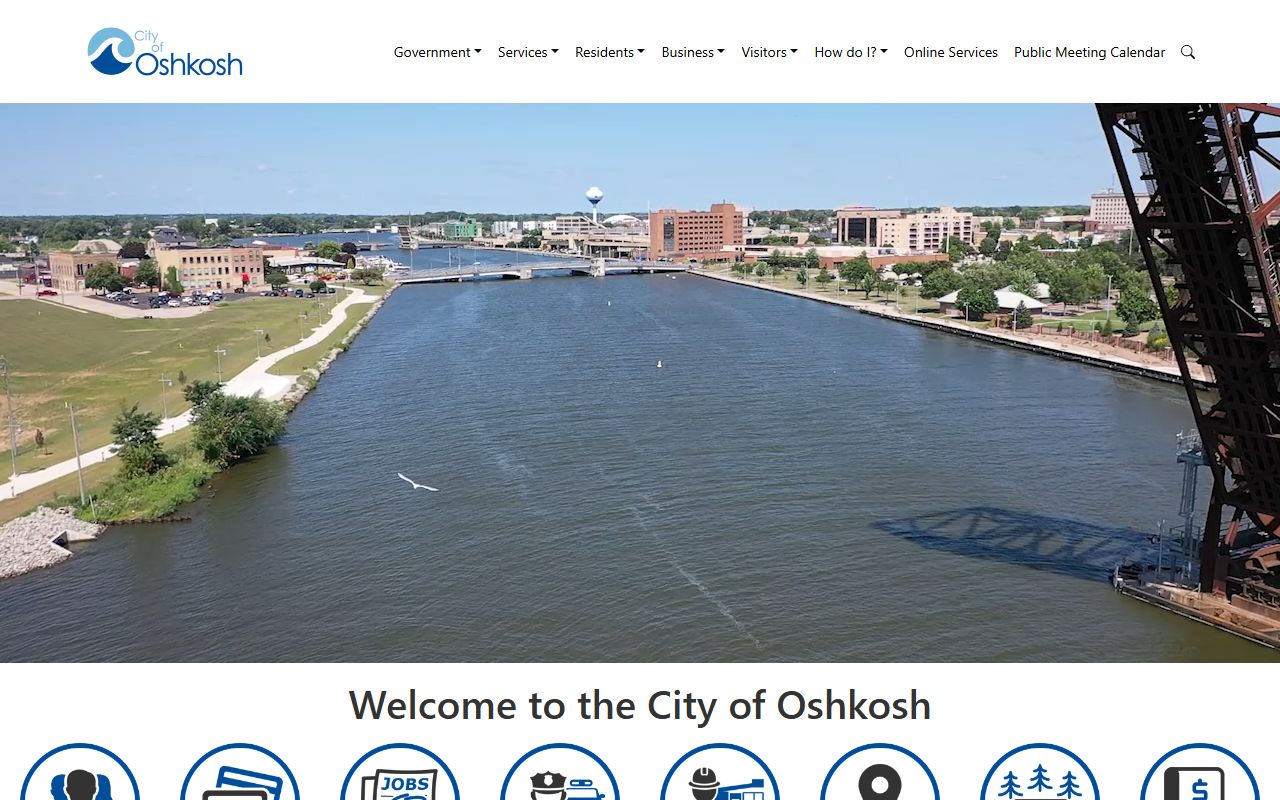
The city site matters because it shows the public office path before you move to the county record. That distinction is useful in obituary research. A notice may mention a home, a church, a cemetery, or a neighborhood landmark, and the city office can help you treat those as Oshkosh clues instead of random words. If you only need a city reference, that page is enough. If you need the death certificate, keep going to the county register of deeds.
For researchers, the main point is simple. The city clerk handles Oshkosh city records, while the county register of deeds handles the official vital record copy path. That split keeps the search efficient. It also keeps you from asking the wrong office to solve a certificate question that belongs at the county level.
Winnebago County Obituary Sources
The county office is the practical next step in an Oshkosh Obituary search. The Winnebago County Register of Deeds handles vital records for county events, and the office is located at 112 Otter Avenue, Room 108, Oshkosh, WI 54901. The phone number is 920-232-3390. That office is where the obituary trail turns into a request for a certified death record. If you know the name and approximate date, the county office is usually the best local place to ask first.
The Wisconsin Department of Health Services Vital Records page gives you the statewide backup route. Wisconsin DHS explains that vital records can be requested through the state system when the county route is not enough or when you need a broader Wisconsin option first. That is useful if the obituary gives you only a partial place, a later life residence, or a family clue that does not point neatly to one office. For Oshkosh family research, the state page is the safety net, but the county office is still the cleanest local certificate route.
When you prepare a county request, it helps to have the same details that appear in an obituary notice. A full name, an approximate year of death, and any spouse or parent names can save time. If the notice gives a burial place, church, or funeral home, include that too. Those small details often help the county office distinguish one person from another, especially when the surname is common in Winnebago County.
- Use the county Register of Deeds for certified Winnebago County death records.
- Use the Wisconsin DHS site when you need the state route for Wisconsin vital records.
- Bring the name, year, and any obituary clues that make the search more specific.
Oshkosh Obituary Search Tips
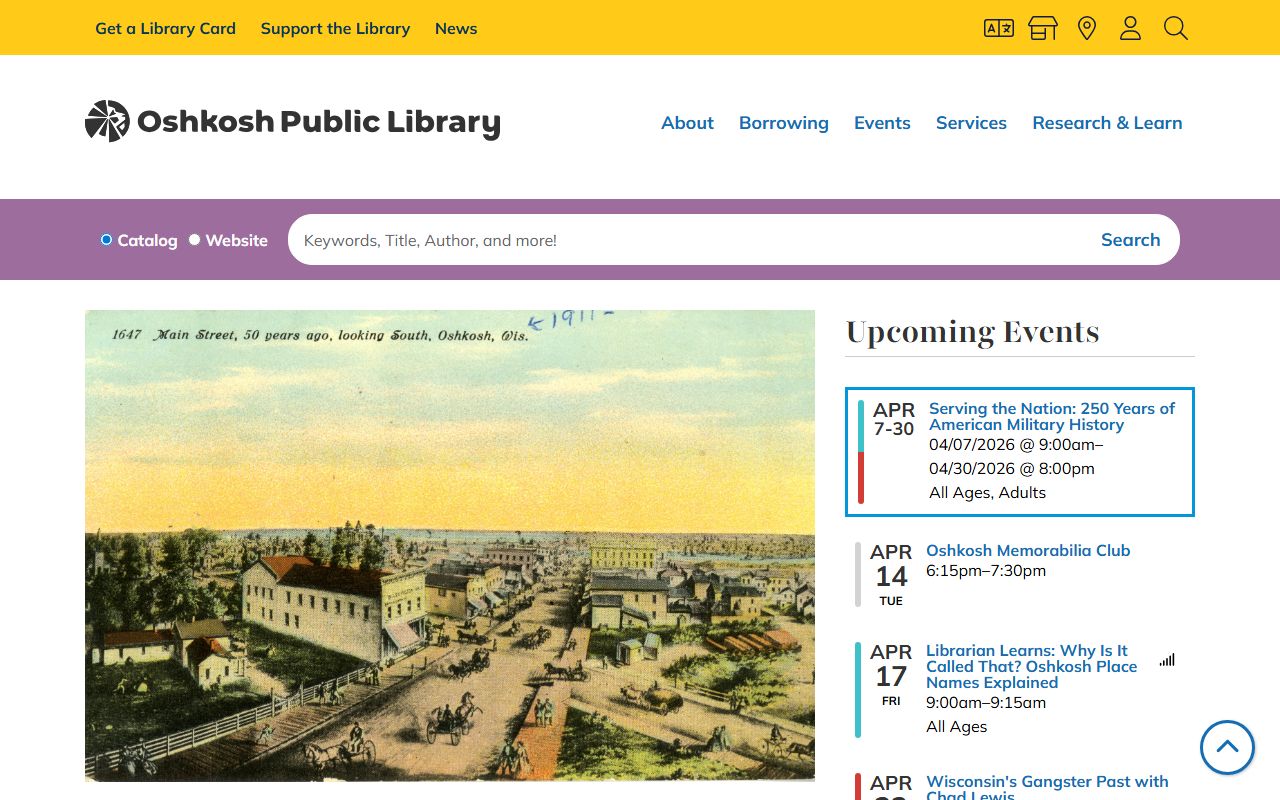
The Oshkosh Public Library is a strong local history stop when the obituary trail gets thin. Library collections can help with newspapers, neighborhood references, and older family clues that do not show up in a county certificate index. That is especially helpful when an Obituary notice gives a church, a street, or a family member but leaves out the exact record office. A library source can turn a vague memory into a usable year range, and that year range can save a lot of time when you move to the county or state office.
For older deaths, the Wisconsin Historical Society Pre-1907 Vital Records index is important because it covers Winnebago County and reaches back before modern statewide registration. The index is useful when the obituary points to an older family line, a maiden name, or a death that happened before the city and county record systems became easier to search online. A narrow search usually works best. Start with the surname, keep the year close, and test spelling variants if the first search does not land.
An Oshkosh Obituary search often works in this order: city clue, county certificate, library history, and then the historical index for older records. That order keeps the search tight. It also prevents you from jumping straight to a statewide guess before the local facts have been checked. The best results usually come from comparing a city address, a newspaper line, and a county record together.
Useful search details include:
- Full name from the obituary or death notice
- Approximate year of death
- Any address, church, cemetery, or funeral home clue
- Spouse, child, or parent names if the notice includes them
Wisconsin State Vital Records
The state level matters when a local Oshkosh Obituary search needs a backup. The Wisconsin DHS Vital Records page explains the state route for birth, death, marriage, and other Wisconsin vital records. That makes the state office useful when the county record is not immediately available, when an address is uncertain, or when a researcher is working from outside Wisconsin and wants a single statewide entry point. For a family line that moves between counties, the state page can be the easiest way to stay organized.
State requests are useful even when you already suspect the record is in Winnebago County. The obituary may give you enough information to narrow the death, but not enough to tell you whether the county or state office will be faster. In that case, the county Register of Deeds and the state DHS page work as a pair. The county office is more specific. The state office is broader. Both are official, and both can support an Oshkosh Obituary search when the local paper trail is incomplete.
The Wisconsin Historical Society also helps older searches by giving you a pre-1907 index for older death research. That is especially useful in Oshkosh because older family names often appear in one source but not the other. A newspaper clipping may supply the family story, while the historical index supplies the record clue. If you keep both in view, you are more likely to avoid false matches and more likely to land on the right person the first time.
Oshkosh Obituary History
Oshkosh Obituary history is easier to read when you treat it as a chain of local evidence. The city clerk gives you the public records starting point. The county register of deeds gives you the certified death record path. The library helps with newspapers and neighborhood context. The Wisconsin Historical Society gives you the older pre-1907 line when the death reaches back before modern registration. If you keep those parts separate, the search becomes more precise and less frustrating.
That approach is especially useful when a family moved around Winnebago County or when a death notice uses older place names. A street, a church, or a cemetery can be a better clue than the surname alone. In those cases, the city and library can work together to narrow the match before you order a record. Once you have the right person, the county office can confirm the exact death record and make the obituary research feel complete.
Researchers often get the best result when they treat the obituary as a starting document, not the final one. The notice points you toward the city, county, or historical index that owns the next piece of the story. That keeps the work local, keeps the record path official, and makes the final match easier to trust. For Oshkosh, that local chain is usually enough to move from a name in print to a record you can use.
Note: The strongest Oshkosh Obituary searches usually begin with the city clue, move to Winnebago County, and then use the library or historical index only when the death is older or harder to place.