
Kenosha County Obituary Lookup
Kenosha County obituary research starts in two places. The first is the Register of Deeds office, which holds death certificates, birth certificates, marriage records, and domestic partnership records. The second is the death-investigation and probate side of the county, which can explain how a certificate was completed or where a family file ended up. If you are trying to find a notice, a certificate, or a court trail, start with the office that matches the record and then move to the next lead. The official county pages make that path much clearer.
Kenosha County Obituary Sources
The Kenosha County vital-records page is the first stop for many obituary searches. It says the Register of Deeds office holds birth, death, marriage, and domestic partnership records for events that happened in Kenosha County. It also explains the statewide issuance rules, the direct and tangible interest rule for certified copies, and the identity theft tips that remind requesters to store vital records safely. That is useful when a death notice turns into a certificate request or a family needs a paper trail for benefits, insurance, or probate.
The Register of Deeds main page adds the service side. Walk-in customers are welcome, appointments can be made, documents can be mailed to the main office, and LandShark gives access to real estate records. The office also offers Land Notification, which can matter when an obituary search leads into a property or estate issue. County records do not stop at the obituary. They often keep going into land, probate, and court files that help explain the family story.
The official county sources are here: Kenosha County vital records and Kenosha County Register of Deeds.
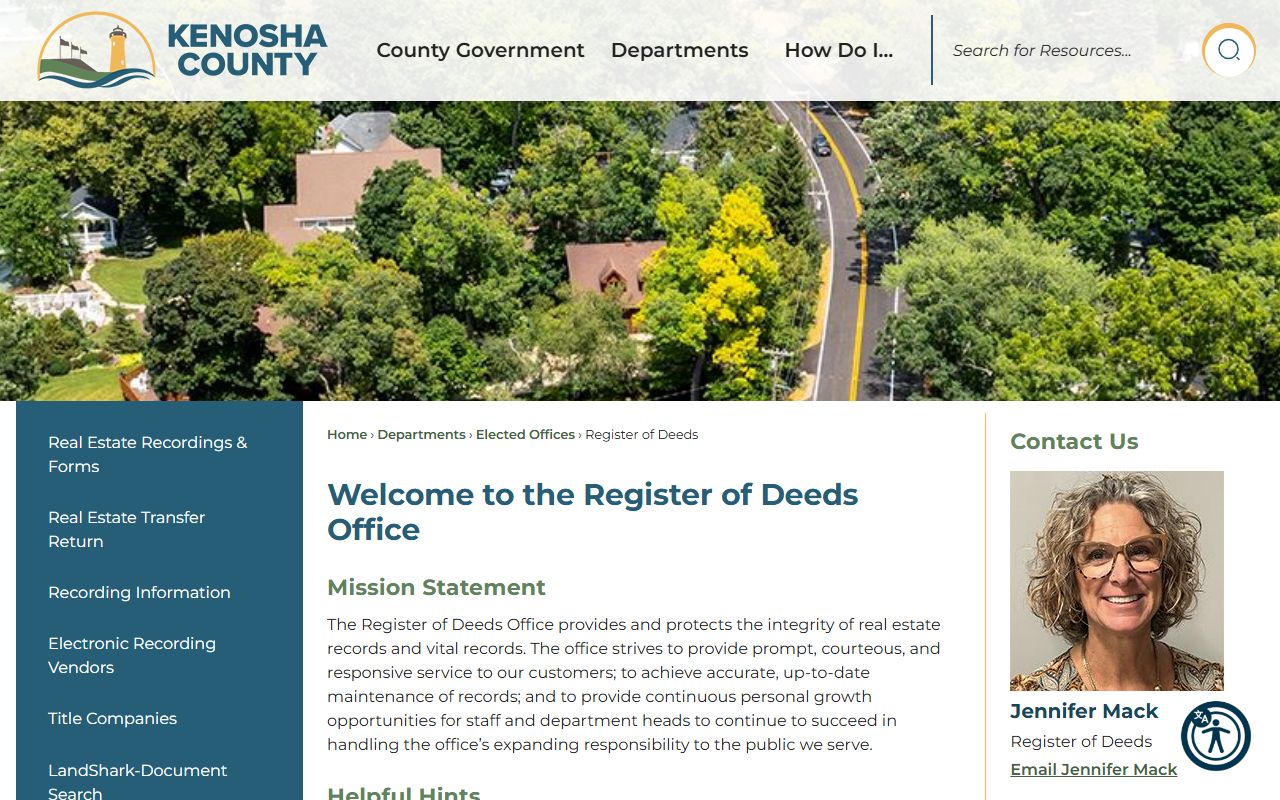
Those two pages are the best local anchors for a Kenosha County obituary search.
Kenosha County Obituary Requests
Requesting a death certificate in Kenosha County is straightforward if you use the office that matches the record year. You can apply in person at the Register of Deeds office on 56th Street or at the Kenosha County Center in Bristol. Mail requests go to the main office and should include the application, acceptable identification, a self-addressed stamped envelope, and a money order. VitalChek is also available online, and the statewide backup is the Wisconsin Vital Records Office. The fee schedule in Wis. Stat. § 69.22 sets the first copy at $20 and each additional copy ordered at the same time at $3.
The county also says that requests are processed as they are received when mailed, and that walk-in customers are welcome. If you are trying to match a notice to the right file, use the name from the obituary, the approximate date of death, and the county or city if you have it. The county pages make it clear that the certified copy rule matters, so a request without the right interest or ID can slow you down. Keep the request narrow. That usually gets the best result.
What to send or bring:
- Full name from the obituary or death notice
- Approximate date of death
- Mailing address and photo ID for the application
- Money order for mailed requests
- Self-addressed stamped envelope
The request page below is the official Kenosha County vital-records page: Kenosha County vital records.
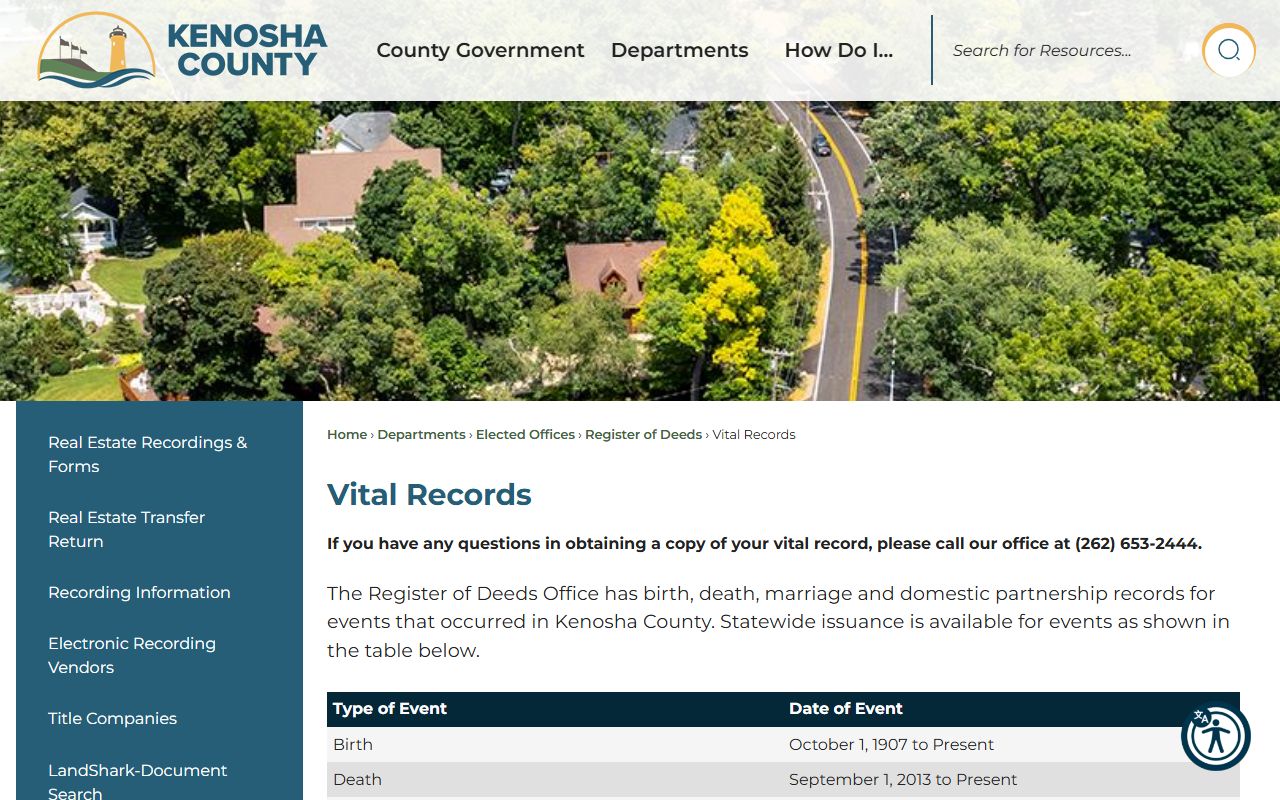
Use that page for the current forms, office hours, and the right request path before you mail anything.
Kenosha County Obituary and Grief
The Kenosha County grief resources page explains how the death certificate is completed in two parts. The medical portion comes from either the Kenosha County Medical Examiner or a physician, and the funeral home completes the rest. The funeral home then files the certificate with the state office. That matters because a newspaper obituary may show a death before the certificate is final. If you are working a recent death, the medical examiner office can also help with autopsy report requests, and the county says those reports can take three to four months or longer.
That same county page gives you the next office if the obituary moves into a court or probate issue. The clerk of courts, register in probate, and legal clinic all show up in the county law directory. Those offices can help with family files, probate follow-up, or questions about records that sit beside the obituary itself. A death notice is often the first clue. The county file is where the rest of the trail starts to settle.
The local law directory is here: Kenosha County legal resources directory.
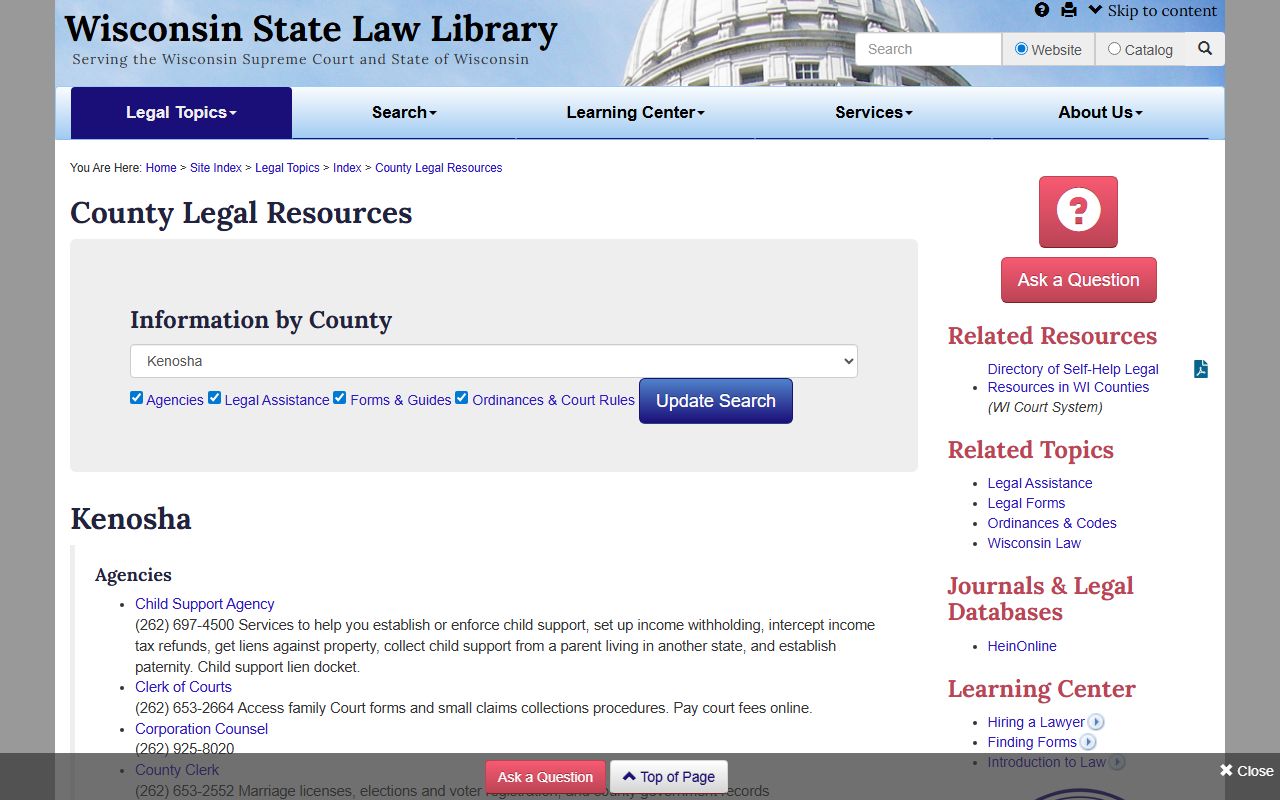
Use it when the obituary turns into a probate file, a court file, or a family record question that needs a real office and not a guess.
Kenosha County Obituary Access Rules
For older obituary work, the Wisconsin Historical Society's pre-1907 death records collection, research tips, and obituary collections are both useful, along with the UW-Parkside Archives guide. Those sources help with variant spellings, newspaper clippings, indexed scrapbook material, and the Wisconsin Genealogy Index. The archive path is better when you need a search trail rather than a single office visit.
Wisconsin's direct and tangible interest rule in Wis. Stat. § 69.20 still controls certified copies, and Wis. Stat. § 69.21 explains how certified and uncertified copies are issued. The state Vital Records Office and the county page both make that plain. If you only need to search, a county or state office can be enough. If you need proof for insurance, probate, or an agency file, ask for the format that matches the purpose. The public records reference in the research repeats the same fee and address pattern, but the official county pages and the state office should stay first. That keeps the search clean and keeps you away from bad sources.
If a Kenosha County obituary leads into a court file, the Clerk of Courts and Register in Probate are the next logical stops. The county law directory gives their direct numbers, and the county legal clinic can help with forms and basic legal direction. The county pages and the state office together are enough for most searches. A public records reference can confirm a detail, but it should not replace the official path.