
Oneida County Obituary Guide
Oneida County obituary searches often begin with the Register of Deeds, but the real answer may come from a county form, a state index, or a probate file that sits beside the death record. The office in Rhinelander records the vital trail, keeps the indexes current, and gives researchers a local point of contact that is still tied to Wisconsin law. When the obituary is recent, the county office is usually the fastest route. When the name is old or hard to place, the Wisconsin Historical Society and the state law library directory give the search a second path that stays official and useful.
Oneida County Obituary Sources
The Oneida County Register of Deeds is the local office that matters first. It records, files, indexes, and maintains documents authorized by Wisconsin law, and it also files vital records that include birth, death, and marriage records along with military discharges. The office is on the second floor of the courthouse, and it is open Monday through Friday from 8:00 AM to 4:30 PM. That gives obituary researchers a direct place to go when they need a county copy, a file check, or a quick confirmation that the record belongs in Oneida County.
The official Oneida County Register of Deeds page is here: Oneida County Register of Deeds.
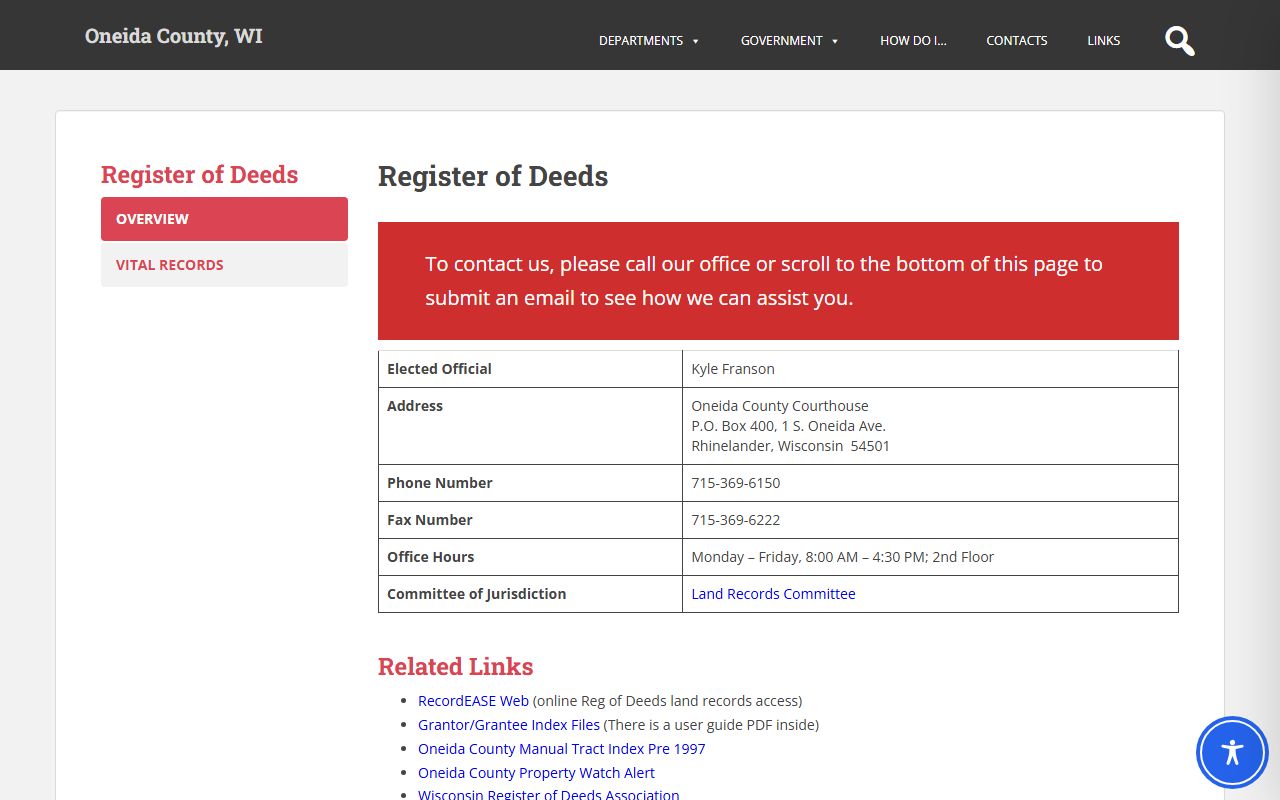
That image points to the local office that handles the county copy and the county index. It is the best first stop when the obituary is recent or when you already know the person died in Oneida County.
The Wisconsin State Law Library directory fills in the rest of the county map. It links the Register of Deeds forms for birth, marriage, and death applications, and it also points you toward the County Clerk, Clerk of Courts, Register in Probate, and other official county offices. That is helpful when the obituary leads to an estate, a court file, or a second record that sits next to the death record. The county office duties are set out in Wis. Stat. 59.43(1), so the directory and the statute work together as a clean guide to the right office.
The state directory is here: Wisconsin State Law Library vital records directory.
Oneida County Obituary Requests
Keep the request short and specific. Use the full name from the obituary, the approximate date of death, and the county if you know it. If you need a certified copy, be ready to show the interest the office asks for and to pay the standard fee. If you only need research help, an uncertified copy or a search path may be enough. That distinction matters because the obituary can be public while the official copy still follows the county's record rules.
Oneida County's county-office setup makes it easy to move from a notice to a record. The Register of Deeds handles the local file, while Wisconsin DHS covers the statewide request path by mail or through VitalChek. That gives you a clean fallback when the record is newer than the county file window, when you need a different request channel, or when a family member wants the fastest official option available outside the courthouse.
What to include with an obituary-based request:
- Full name from the obituary or death notice
- Approximate date of death
- Any alternate spelling or middle name
- Photo ID for certified copy requests
The state vital-records page is here: Wisconsin DHS Vital Records.
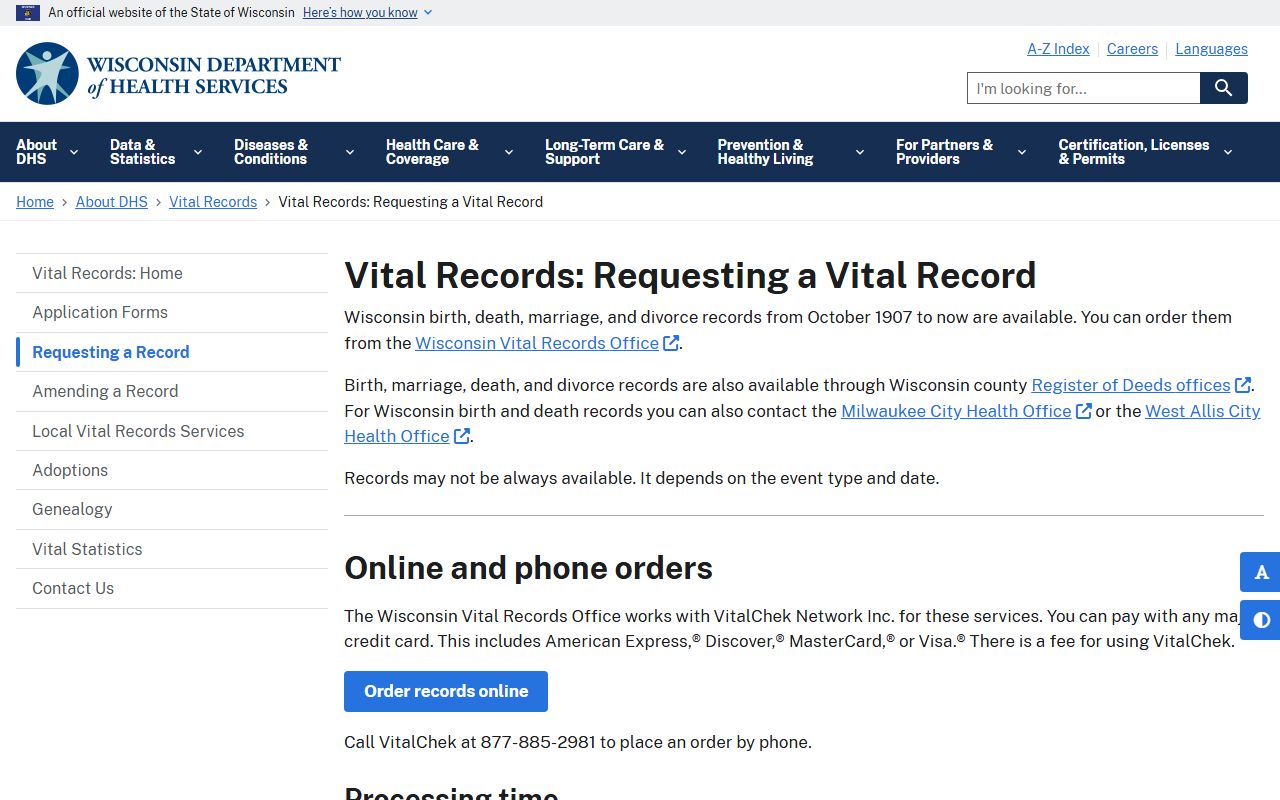
That state route matters when a county request needs a wider channel or when the record should be pulled through the official Wisconsin system instead of only at the courthouse.
Oneida County Obituary Research
The Wisconsin Historical Society is the strongest statewide research layer for older Oneida County deaths. Its Pre-1907 Vital Records Collection contains an online index of about 400,000 Wisconsin death records from 1852 through September 30, 1907. Full records can be viewed on microfilm at the Society's Library or at Area Research Centers. The Society also keeps 30,000 indexed obituaries. That combination is powerful when an obituary is all you have at the start and you still need a specific death date, a family line, or a county match.
The obituary collection page is here: Wisconsin Historical Society obituary collections.
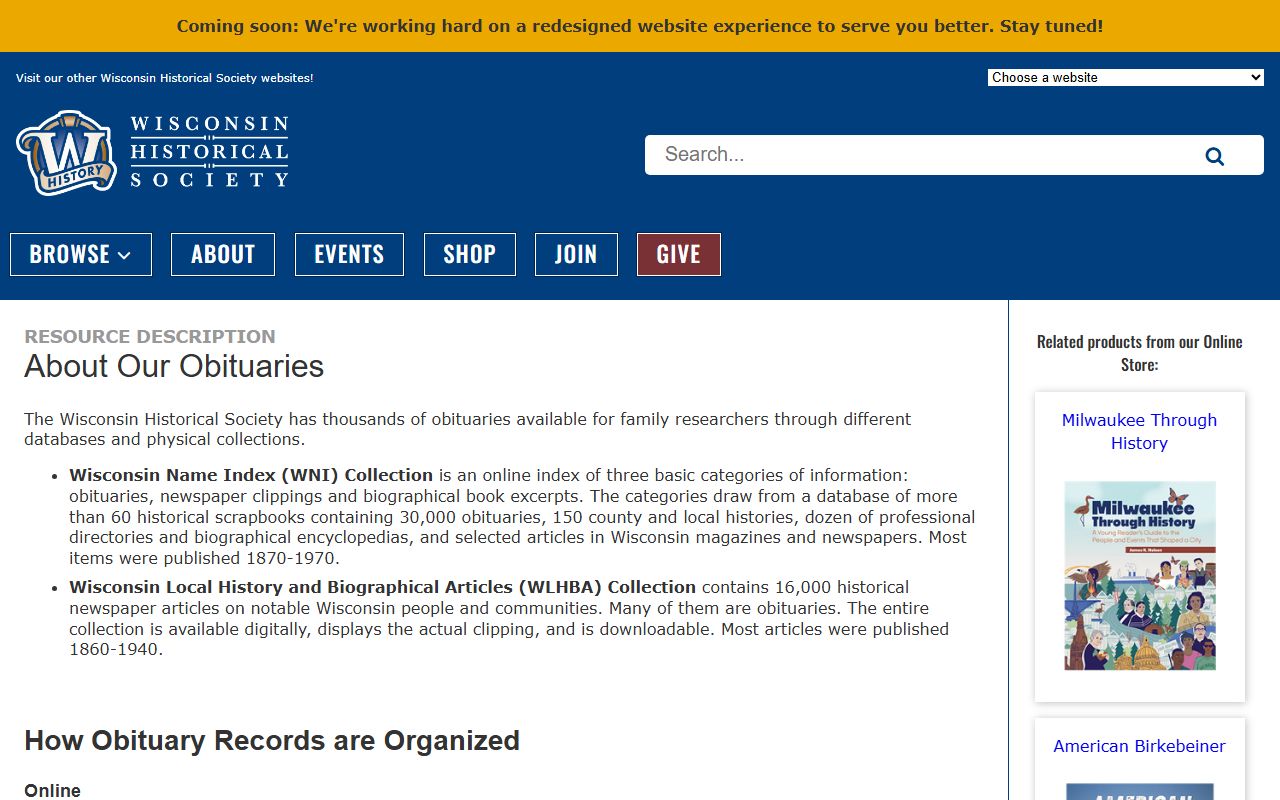
That collection is useful when the newspaper notice matters more than the certificate at first. It helps you narrow the year, place, or family group before you move back into the county file.
The Society's death-record research tips also tell you where to look when the certificate is not easy to find. The guide suggests checking probate records, census mortality schedules, and the obituary collection together. It also explains that older records may require microfilm work, which is why the Society and the Area Research Centers still matter for Oneida County researchers. The county does not need to be hard to work with. It just needs the right search route for the year you are chasing.
The research tips are here: Wisconsin Historical Society death record tips.
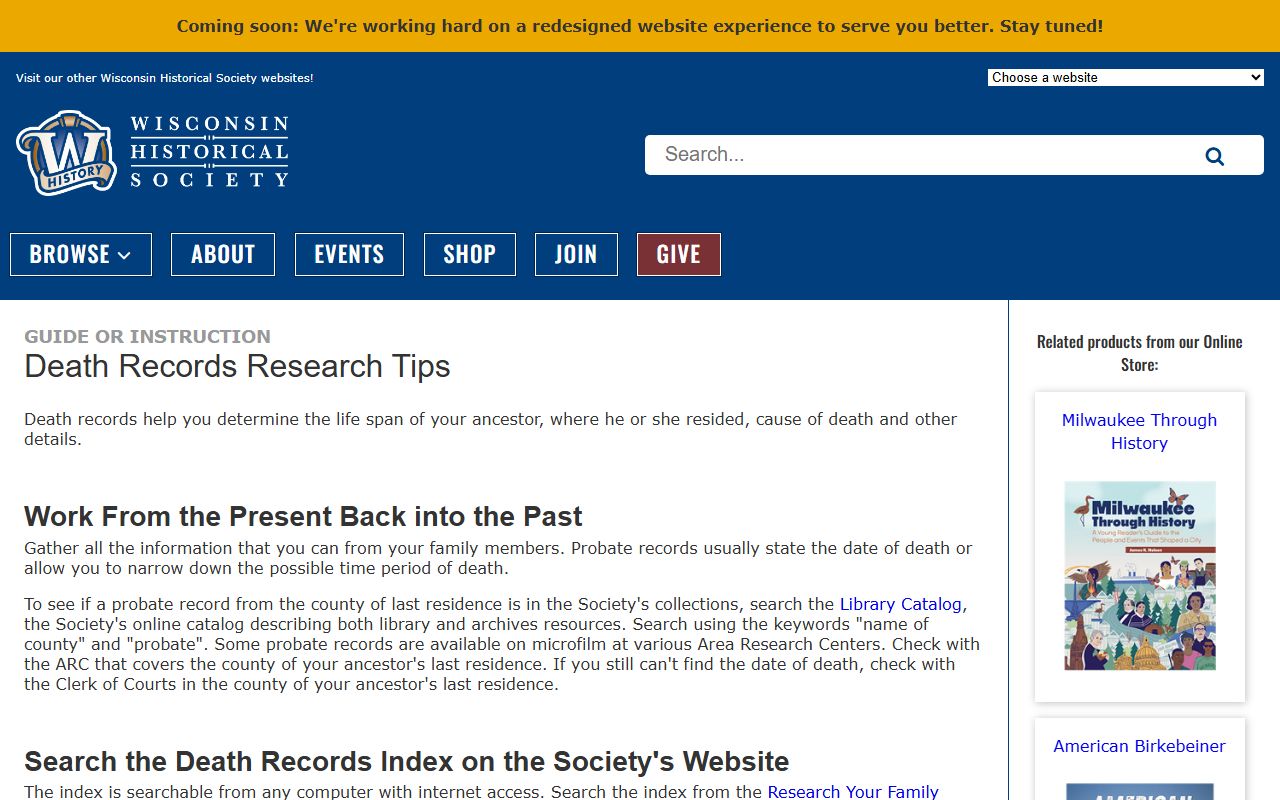
That guide is the best place to start when the spelling is uncertain or the date is only approximate.
When the obituary points toward an estate, the county side of the search changes. The Register in Probate and the county law library directory become useful because they show where the files and forms sit. That is the right next step when a death notice leads to heirs, a will, or a guardianship matter that may still be relevant to the family line.
Oneida County Obituary Access
Wisconsin law makes the difference between a notice and an official copy. Wis. Stat. § 69.21 explains certified and uncertified copies, and Wis. Stat. § 69.22 sets the copy and search fees. That means an obituary may be enough for a family memory, but a certified record still needs the correct request path. In Oneida County, the Register of Deeds, the county forms directory, and the state office all follow that structure, so it pays to know which office fits the purpose before you ask.
The statute page for certified and uncertified copies is here: Wis. Stat. § 69.21.
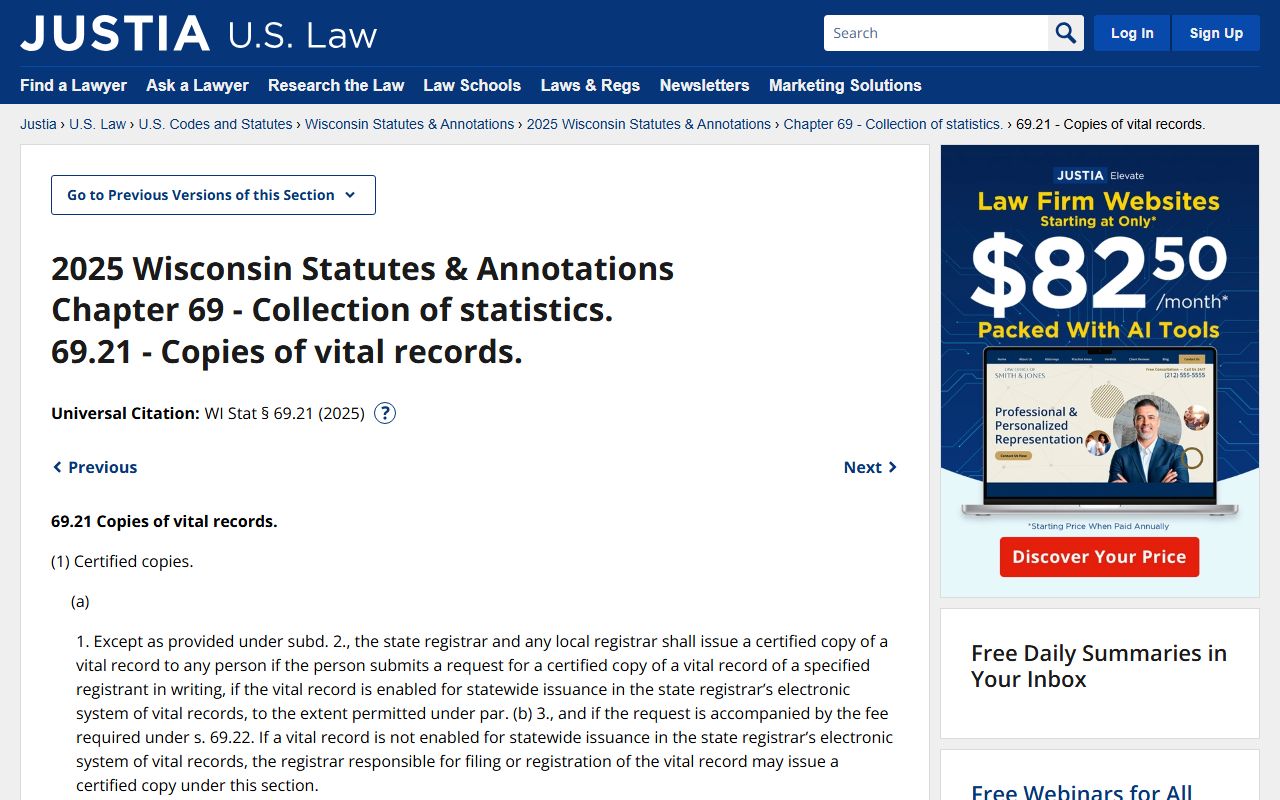
That law is the line between a public search and an official copy you can use for a more formal purpose.
The county law library directory helps when the obituary becomes a probate question or when you need the form list for a birth, marriage, or death application. The directory is state-curated, which makes it a good checkpoint for the official county channel. It keeps the request from drifting into a third-party summary that does not match the county office you actually need.
The copy-fee statute is here: Wis. Stat. § 69.22.
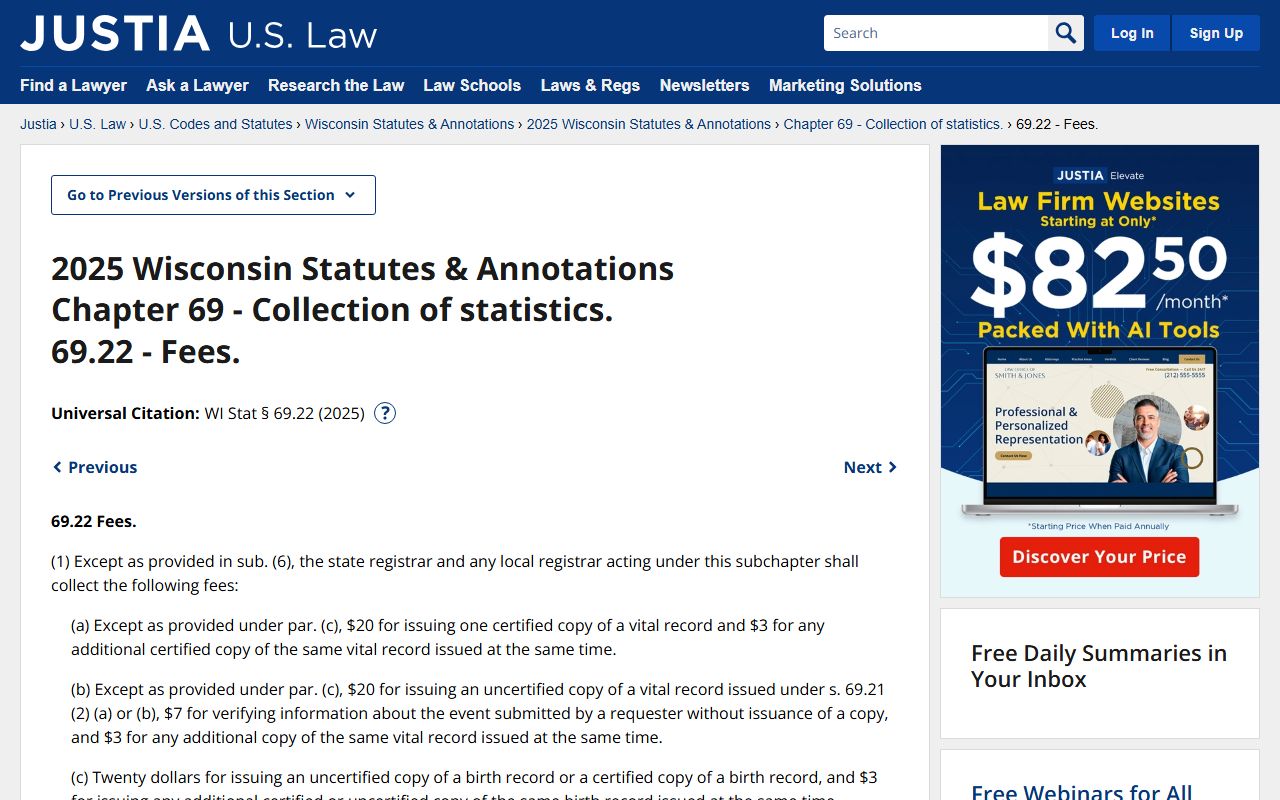
That statute explains why the county may charge for copies and why a request can change depending on whether you want research help or an official document.
For Oneida County, the cleanest obituary search usually runs from the county office to the state index and then to probate if needed. That path keeps the search official, local where it should be, and broad enough to handle older records that no single office can answer alone.