
Taylor County Obituary Lookup
Taylor County obituary research starts with the county office in Medford, then moves outward only when the local file stops. The Register of Deeds records deaths, births, marriages, military discharges, and legal changes of name, so one office can answer several obituary questions at once. That is useful when you are chasing a death notice, a certified death record, or a family line that needs an older clue. The county also gives you a same-day cutoff for in-person requests, which makes timing matter. A good search here is tight, local, and based on the exact name, date, and record type you need.
Taylor County Overview
Taylor County Obituary Sources
The Taylor County Register of Deeds is the main local source for obituary-related vital records. Jaymi S. Kohn serves as the registrar, and the office is at 224 South Second Street, Medford, WI 54451. The county page says the office records births, deaths, marriages, military discharges, and legal changes of name. That scope matters because an obituary can lead to a death certificate, but it can also point toward a marriage record, a name change, or a property trail that belongs in the same file family. The office also says in-person vital-record requests must arrive by 4:00 p.m. if you want same-day purchase.
The county Register of Deeds page is here: Taylor County Register of Deeds.
The county office also gives you a land-record path. Taylor County web access for real estate records is available at landshark.co.taylor.wi.us, which can help when an obituary turns into a home, parcel, or estate question. That is not the same thing as a death record, but it is often the next local clue after a funeral notice. When a family lived in one place for years, the property trail can confirm names and dates that the obituary leaves out.
The image below points to the Wisconsin State Law Library's Taylor County page, which confirms the county office role and gives you a clean county-directory check: Taylor County State Law Library directory.
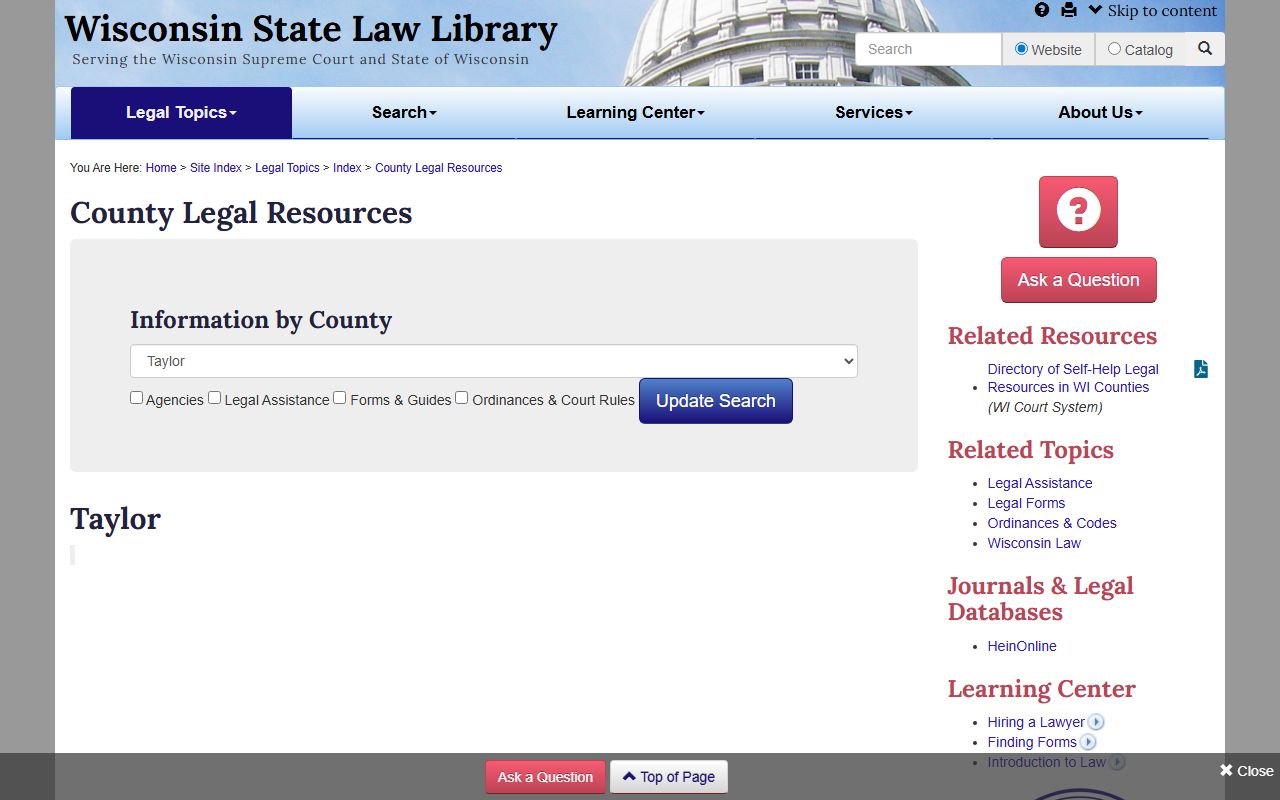
That directory keeps the search local and avoids guessing which county office owns the next step.
For older obituary work, the Wisconsin Historical Society adds the historical layer. Its Pre-1907 Wisconsin Vital Records Index covers Taylor County and lets researchers search online before ordering copies of original records. That makes it a strong fit when a death notice points to a person from the early paper years or a family that lived in Taylor County before modern statewide registration took hold.
The pre-1907 index is here: Wisconsin Historical Society Pre-1907 Wisconsin Vital Records Index.
Note: Taylor County in-person vital-record requests must arrive by 4:00 p.m. if you want same-day purchase.
Taylor County Obituary Requests
When you need a certified copy, Taylor County keeps the process simple. The first certified copy costs $20, and each additional copy ordered at the same time costs $3. That fee structure makes sense for obituary work because families often need more than one copy for an estate, insurance, or burial file. If you know the name and approximate date of death, you can move quickly without overbuilding the request. If you are mailing in the order, keep the details exact and clear.
The county's authorized VitalChek page is the remote ordering route: Taylor County VitalChek ordering.
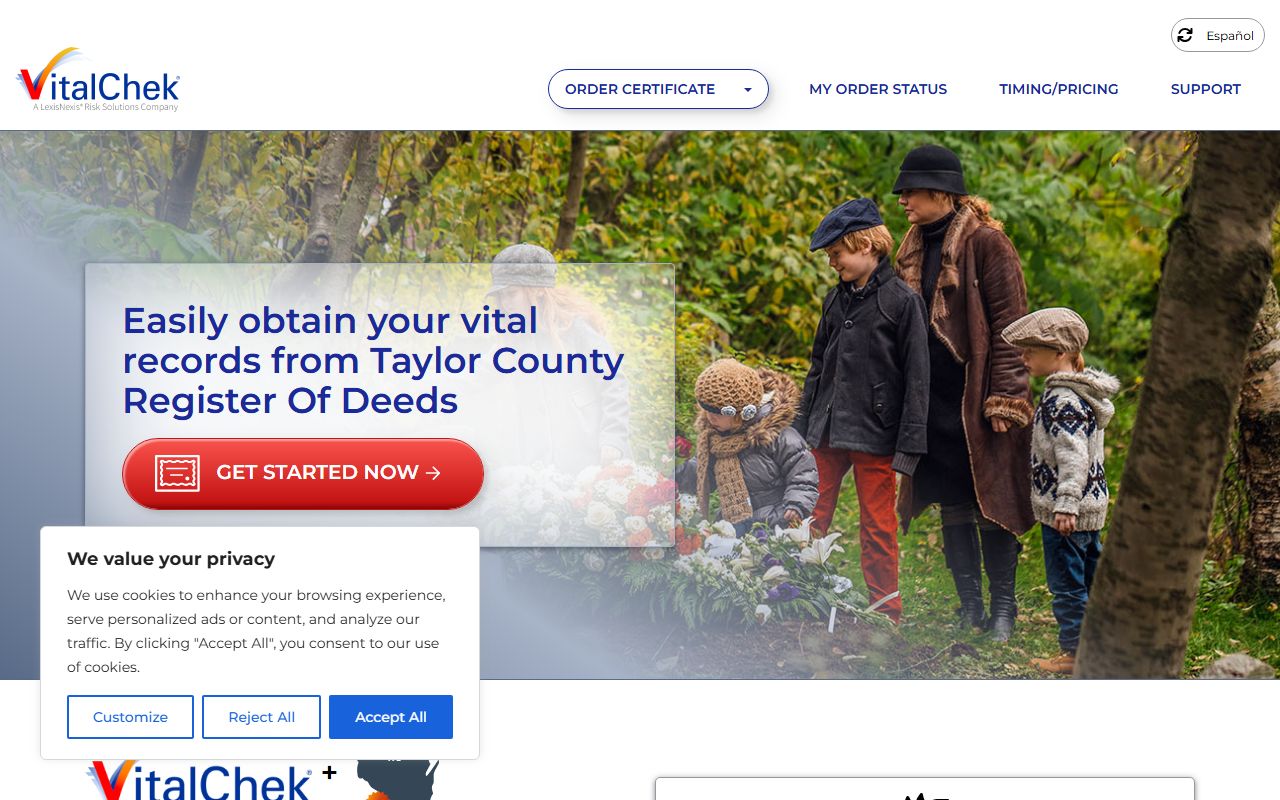
That page is the cleanest online path when you do not want to make a second trip to Medford or wait at the counter.
Use these details with a Taylor County obituary request:
- Full name from the obituary or death notice
- Approximate date of death
- Place of death if the notice gives one
- Photo ID for certified copies
- Payment for the copy and any extras
Current records can also be ordered through the Wisconsin DHS vital-records system. That state path matters when the county file is not enough or when you need a broader official route for a modern death record. It is the right backup when the obituary is recent but you want the copy issued through the state office instead of the local desk.
The state route is here: Wisconsin DHS Vital Records.
Taylor County Obituary Research
Taylor County obituary research works best when you treat the death notice as a clue, not the end of the search. The Wisconsin Historical Society's pre-1907 index is useful because it lets you search older death registrations before you order a copy. That is especially helpful when the obituary mentions a family line, a farm, or a small town and you need to confirm which person is the right one. Older records can also carry burial details, parents, spouses, and age clues that help sort one relative from another.
The county office and the historical index complement each other. The Register of Deeds gives you the modern local copy path, while the Society gives you the older statewide index. If the obituary is recent, the county or VitalChek route is usually enough. If the obituary is old, the index often saves time by telling you whether the record exists before you pay for a search.
The Taylor County State Law Library directory helps keep the office list straight. It confirms the Register of Deeds as the custodian of birth, marriage, death, and real estate records, and that is useful when an obituary search starts to widen into another family record. The office list also helps you avoid mixing a vital-record request with a court or land question.
The directory is here again for quick use: Taylor County State Law Library directory.
For family history work, the key is to move from the obituary to the record set that matches the date. Taylor County deaths before statewide registration may sit in the historical index, while later records are more likely to live with the county office or the state vital-records system. That simple split keeps the search from drifting into broad, unfocused browsing.
Taylor County Obituary Death Records
Taylor County death records are the core document behind many obituary searches. The Register of Deeds keeps the current county route open, and Wisconsin DHS gives a statewide fallback for modern records. That means a death notice can become a certified copy request, and a certified copy request can become the next clue for probate or family research. The important part is matching the date to the right office. If the event is recent, the county and state routes are both practical. If it is older, the historical index is often the better first stop.
For Taylor County obituary work, the county office and the historical index should be used together rather than as substitutes. The office can issue current copies, while the Wisconsin Historical Society can help you identify pre-1907 records that the county file may not surface as easily. That is especially useful when a newspaper notice names a person but not the exact place of death. In that situation, the death record can confirm the county line and give you the official date you need.
When the obituary leads into a property or estate question, the county land-record portal becomes part of the same research chain. Taylor County's land records are accessible at landshark.co.taylor.wi.us, and that can help connect a death notice to a homestead or parcel history. It is a different record set, but it often sits next to the obituary trail in practical family research.
Taylor County Obituary Access Rules
Wisconsin law keeps obituary reading and certified vital-record access on different tracks. A public death notice is one thing. A certified death record is another. The basic rules in Chapter 69 explain that split, and the direct and tangible interest rule can still matter when a request is for a certified copy rather than a family-history search. That is why the county office may ask for identification or a clear reason before issuing a record.
Wis. Stat. § 69.18 explains how death records are created: Wis. Stat. § 69.18. Wis. Stat. § 69.21 covers certified and uncertified copies: Wis. Stat. § 69.21. Wis. Stat. § 69.22 sets the fee schedule: Wis. Stat. § 69.22. Those sections are useful when you want to know whether the county, the state, or the historical index is the right next step.
The Wisconsin open-government guide adds the plain-English version of the access rule: Wisconsin open-government guide. It explains why a record may be public for search purposes but still restricted when you want a certified copy. That distinction matters in Taylor County because the office handles more than one kind of record and not every request is treated the same way.
The strongest result usually comes from combining the county office, the state vital-records page, and the historical index in the right order. Start local for modern records. Use the state page if you need another official route. Use the pre-1907 index when the obituary points to an older death that needs a historical confirmation first.
The Wisconsin Historical Society index is here again for easy access: Wisconsin Historical Society Pre-1907 Wisconsin Vital Records Index.